Our Mission
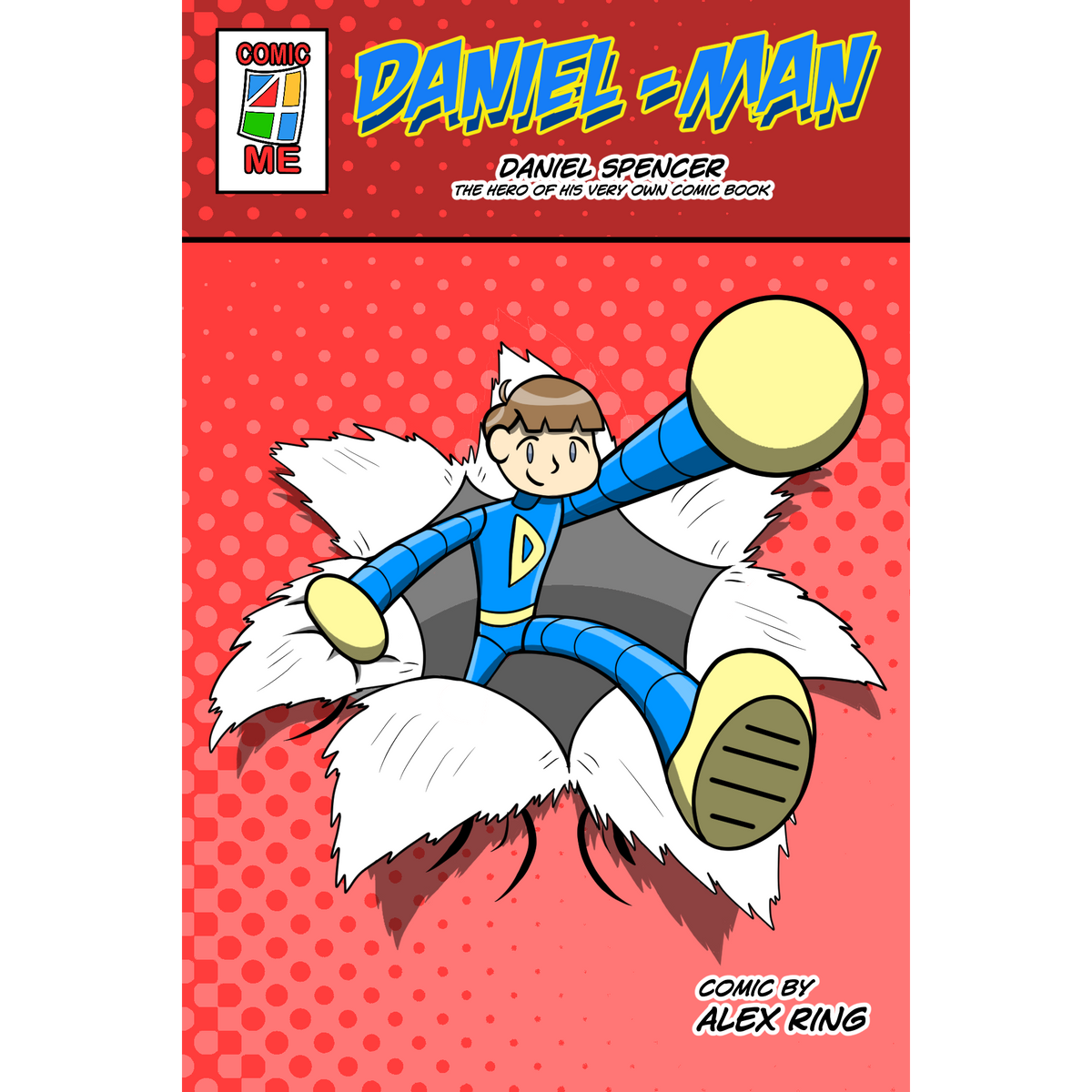
At Comic4Me, our mission is simple but epic: to turn every child (and child-at-heart!) into the unbreakable hero of their own legendary story.
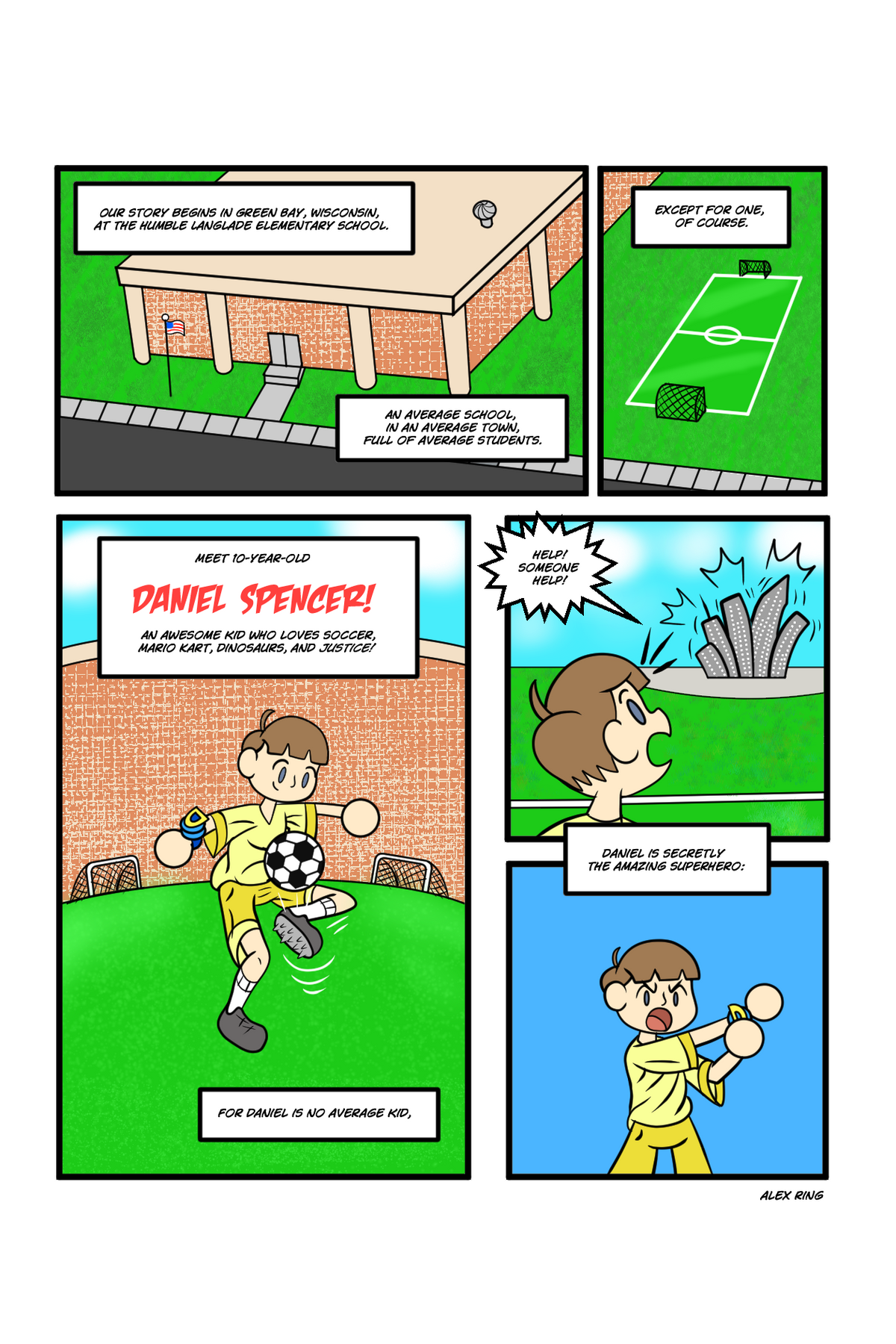
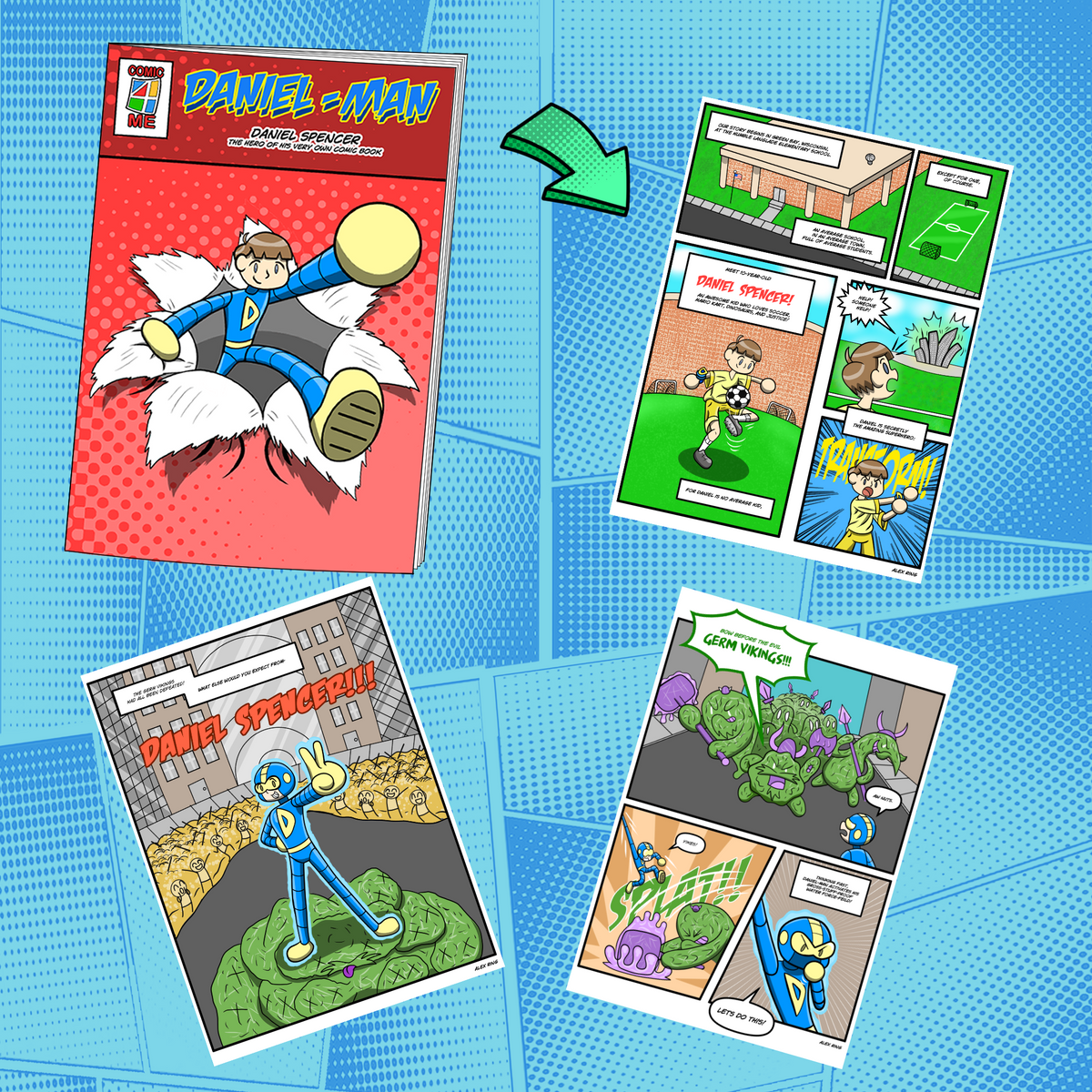
In a world full of ordinary gifts, our artists hand-draw one-of-a-kind comic books, digital superhero images, and wall posters that prove your loved one belongs in the spotlight.
Every piece is signed by the artist, and includes a time-lapse video (QR code access) so they can watch their gift being created!
PNG digital image files come with full digital reproduction rights so you can create T-shirts, coffee mugs, ornaments, and more!
We're told the original Marvel comic book artists sometimes do personalized comic books for celebrities, which command a price of $20,000 or more. But they deserve it.
At Comic4Me, we are the headquarters of personalized heroism where everyone gets the celebrity treatment.
Your adventure starts now!
The Products


The Artistic Process
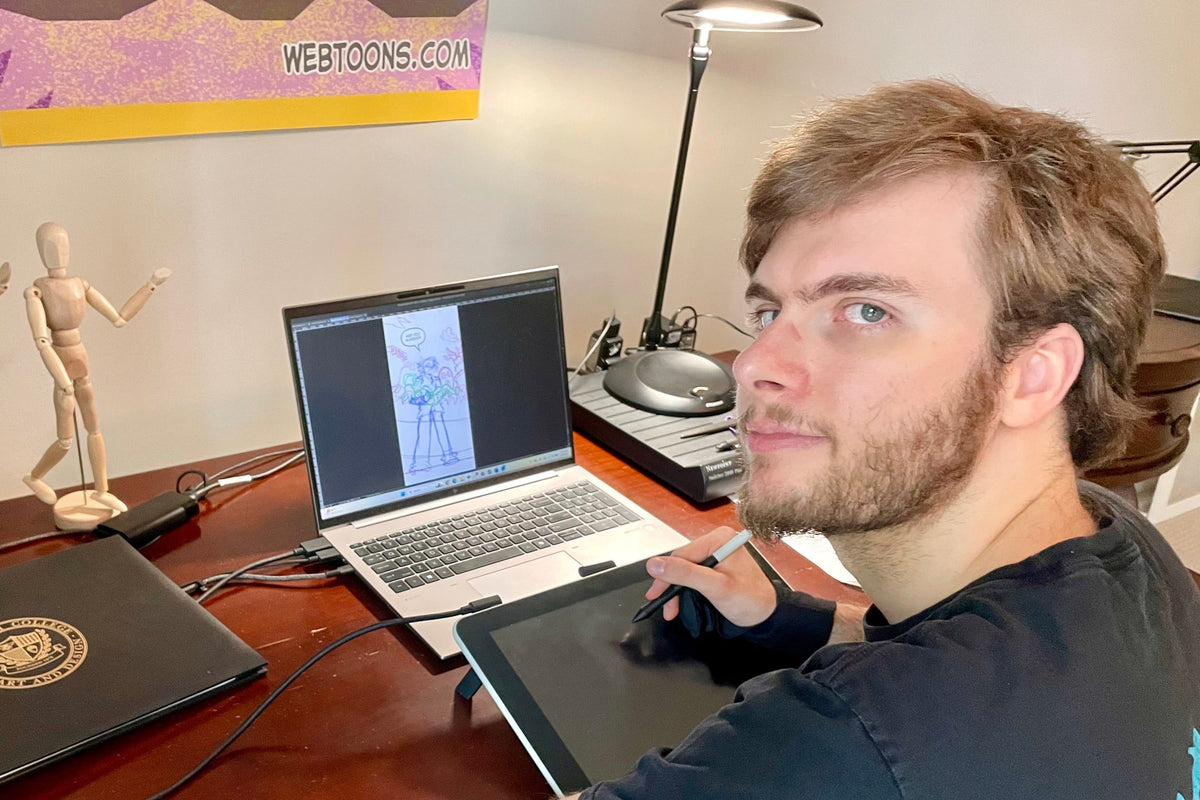
I am Alex Ring, the creative director of Comic4Me and I am here to walk you through the day-by-day process of creating a comic book once you've provided details about the hero of the story.
Day 1:
Scripting
Comic books rely on text descriptions during the planning stage — a written script guides the rest of the creative process. But this isn't just dialogue, action descriptions are just as essential for conveying the narrative.
So what goes into this script? Whatever you want! At Comic4Me, it's all about bringing your vision to life.
When you commission a comic with us, you answer a few questions that help us bring your story to life. The more details, the better! We often use them as Easter Eggs throughout the book.
Scripting takes 5-8 hours.
Day 2 and 3:
Sketching
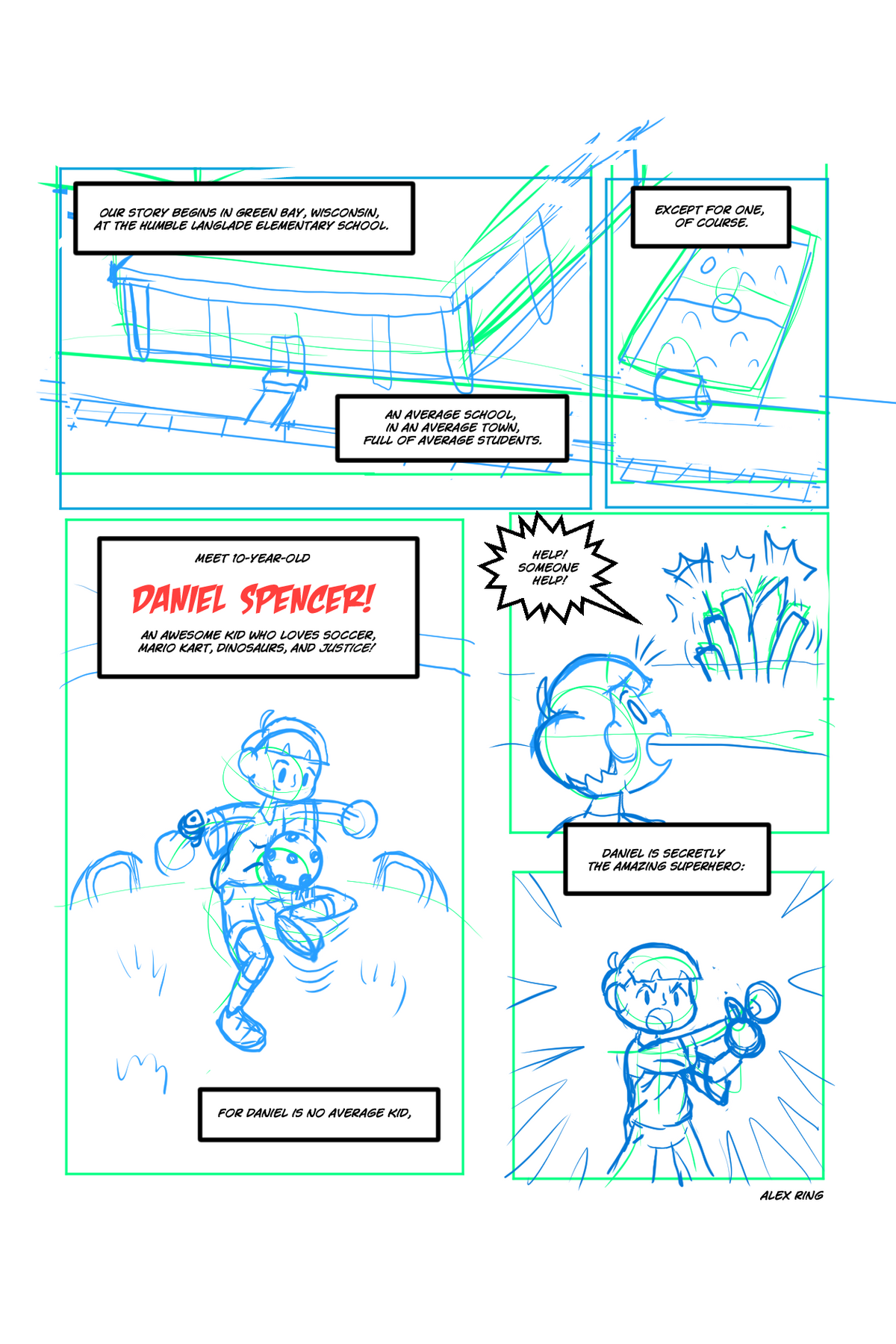
Once the script is written, I start drawing! Professional artists always begin with a rough draft — something sketchy.
This helps nail down character poses, facial expressions, backgrounds, voice bubbles, panel placement, and all things visual.
Figuring out the final artwork takes a lot of trial and error, and it's common to redo a sketch entirely after coming up with a better approach.
Because of this, sketching is, in my opinion, the hardest step in creating a comic which is why your 2 day feedback window is at this stage.
Sketching takes 10–16 hours.
Day 4:
Line Work
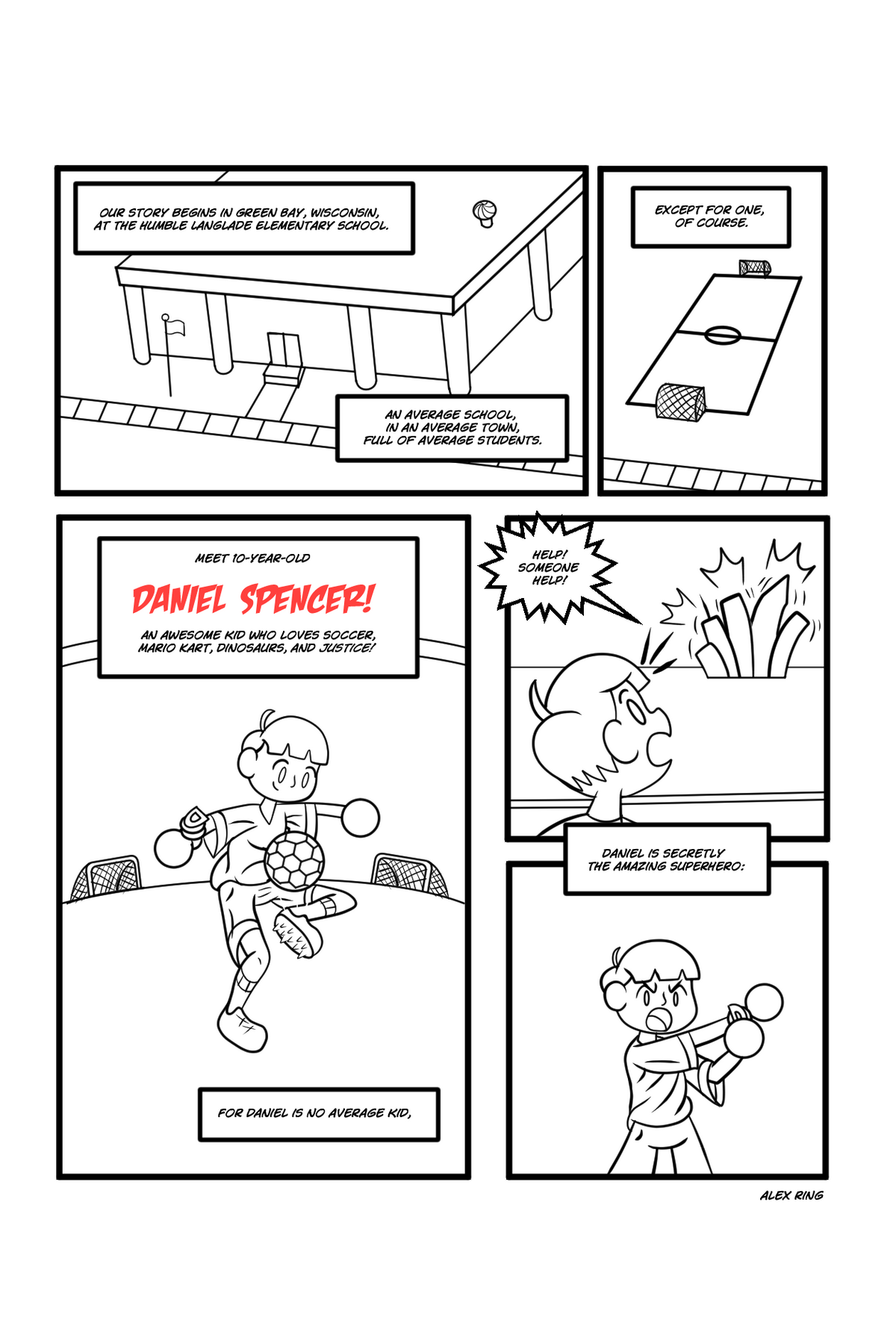
Now it's time to turn those rough lines into a unified design. The sketches act as a guide, letting me draw smooth, careful, solid black lines on top. These are the lines that will actually appear in the final comic.
Line work is a slow, methodical process — it takes time and focus to get every line just right — but I have the tools and experience to make it happen efficiently.
This is also when I add the comic's sound effects, like "WHAM" and "POW", also known as onomatopoeia.
Line Work takes 5–7 hours.
Step 4:
Coloring
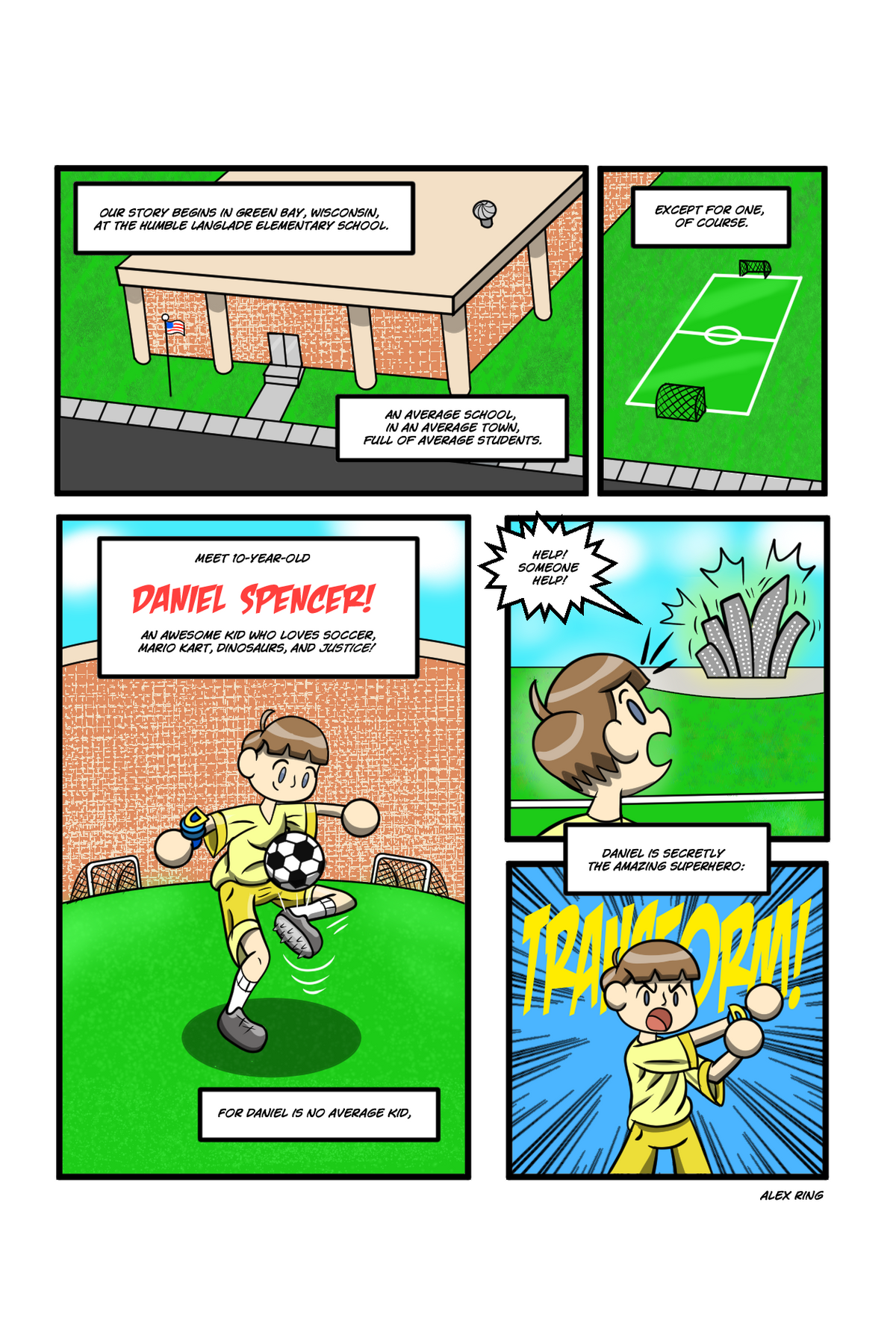
Coloring is pretty self-explanatory — if you've ever used a 'color inside the lines' book, you get the idea.
Coloring is the easiest part of the comic-making process, but that doesn't mean it's foolproof.
Developing the right color scheme based on your recipient's favorite colors — and making sure they work well together — matters. There's a reason Color Theory is an entire college course.
This stage is also when I use Clip Art Studio software to add visual effects and patterns to the panels. Patterns are things like wallpaper designs or floor tiling, while effects are speed lines and similar elements that create the illusion of motion.
Coloring takes 5–6 hours.
Day 5:
Shading
Now, the comic is starting to look complete! But to really push it over the edge, it needs shading.
Light doesn't hit objects evenly — a lamp shining on a red ball will create a brighter side, a darker side, and a shadow. Every material has its own unique shading approach; light hits a wool blanket differently than it hits a metal beam, for example.
I also use this stage to render in small details — strands of hair, blades of grass — making sure nothing is left as one flat, solid color.
This makes the shading process involved and meticulous.
I need to add depth via shading to all objects in the comic. Luckily, Clip Studio Paint lets me adjust the color layers and—BOOM—2D objects become 3D visuals.
Shading takes 5-6 hours.
Final Product
And Thats a Wrap!
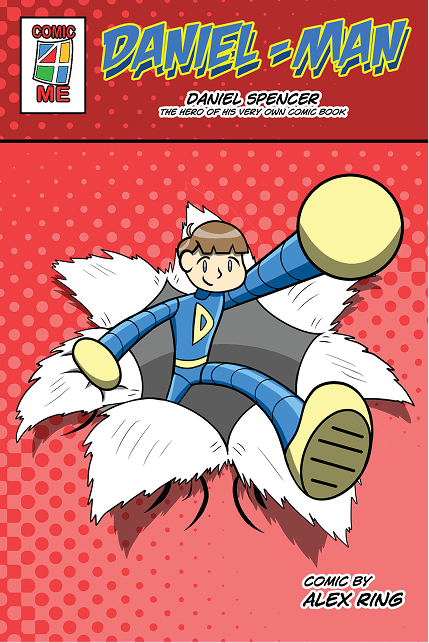
And with that, your comic book story and artwork are complete!
The creative process takes a minimum of 7 days: 5 days of in-house production, plus a 2-day window for you to review the draft and share feedback.
Then the print shop takes over and sends you your final product.
Our total lead times from order submission to receipt of product run about 2 - 3 weeks, so best to order sooner rather than later.
I hope this helps you understand the process and what it takes to make your dreams come true!
Comic4Me: Where Everyone deserves to be the hero of their Own Story
The Artwork
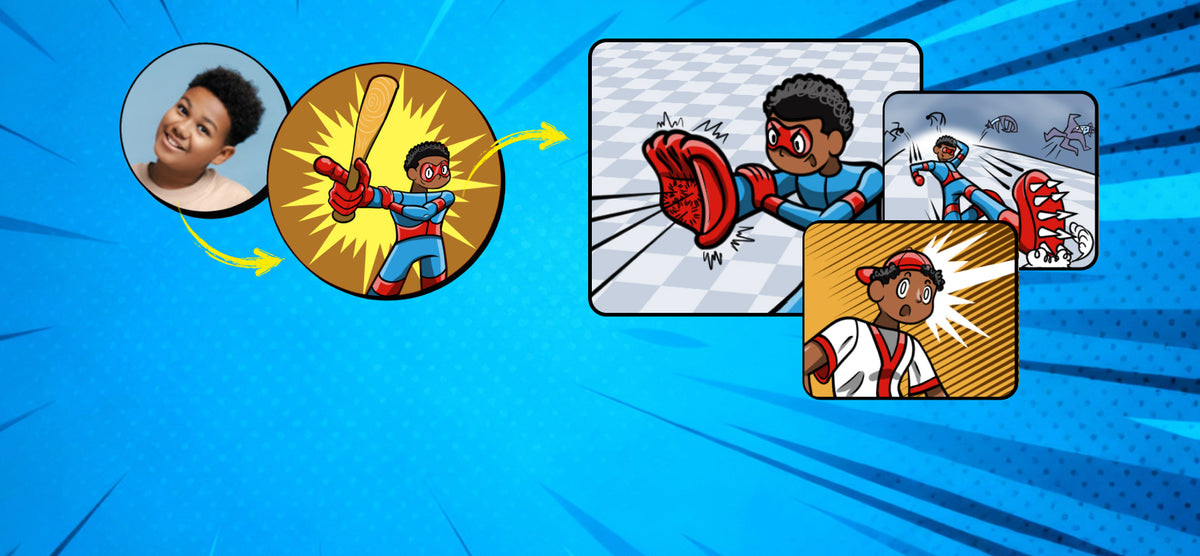
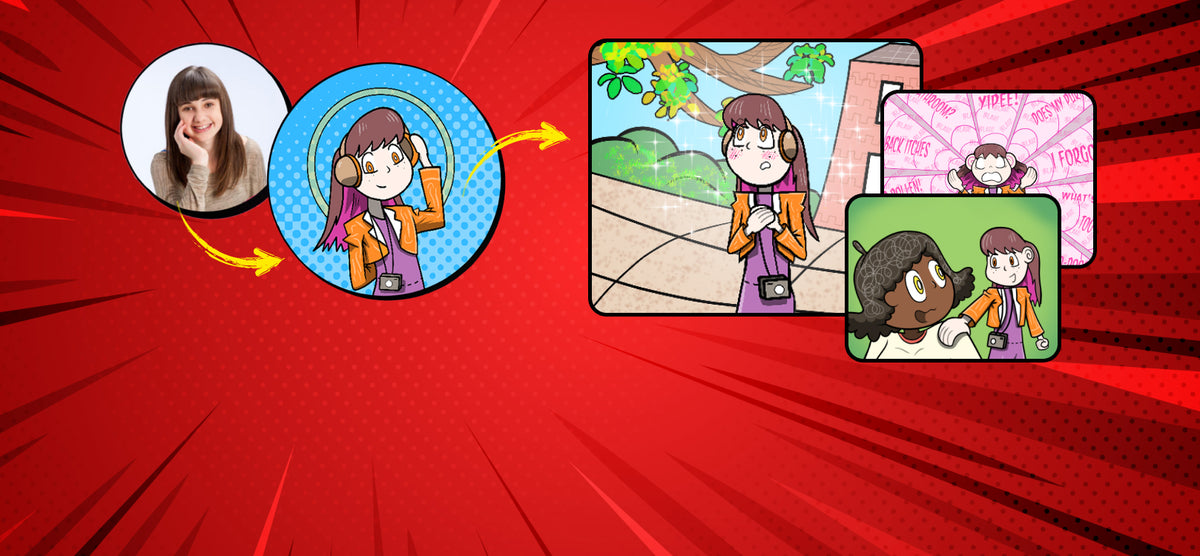
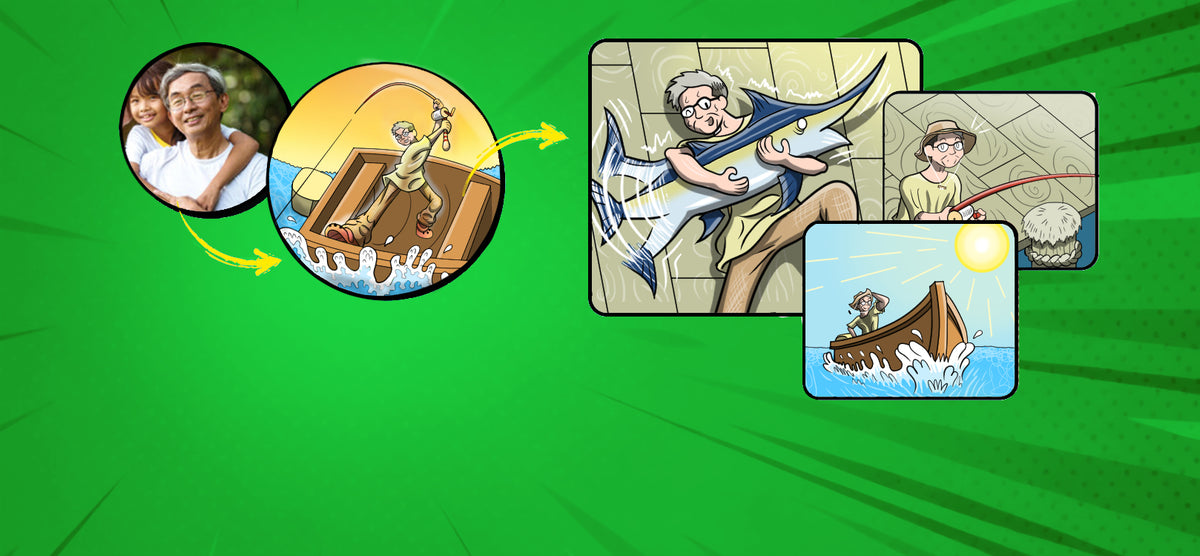
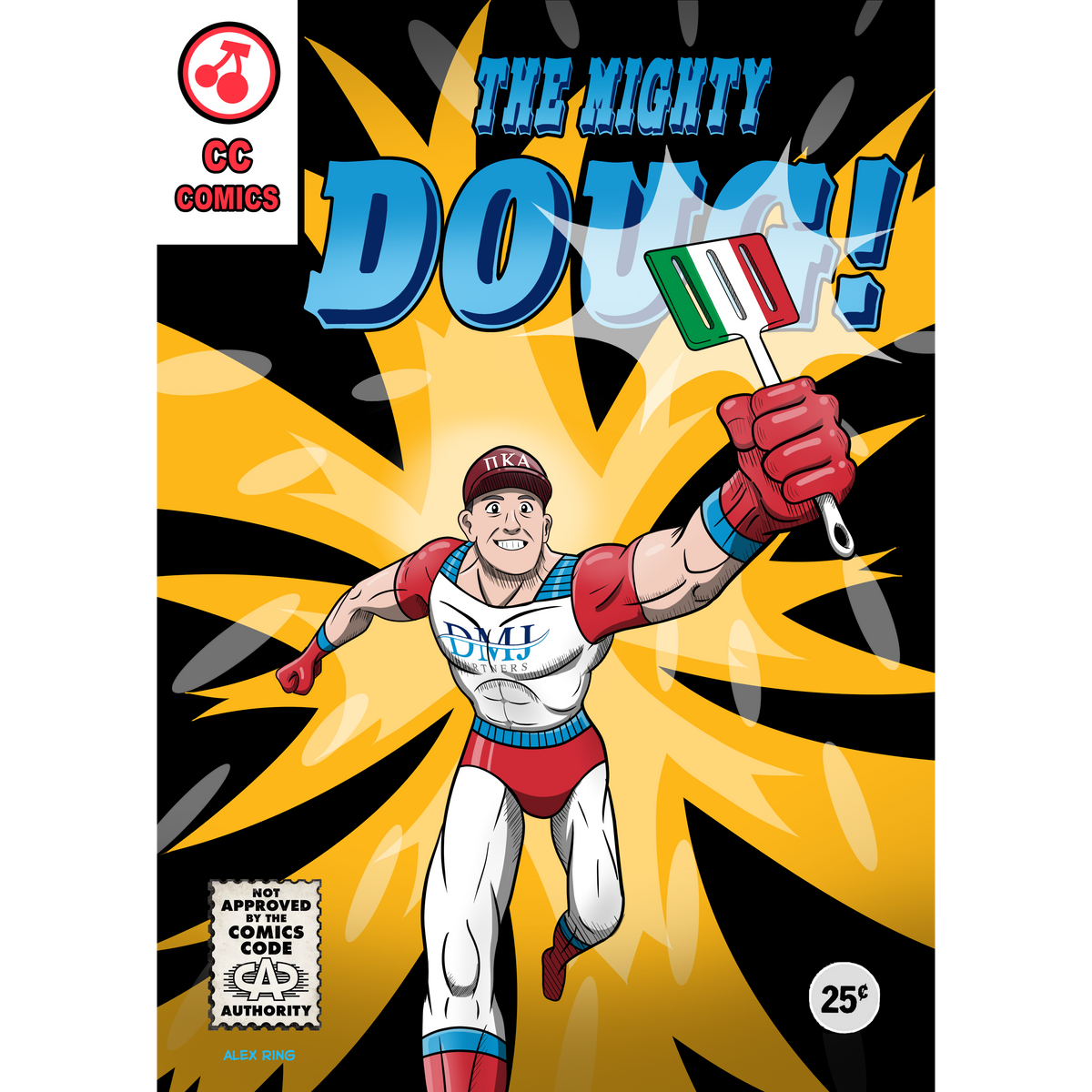
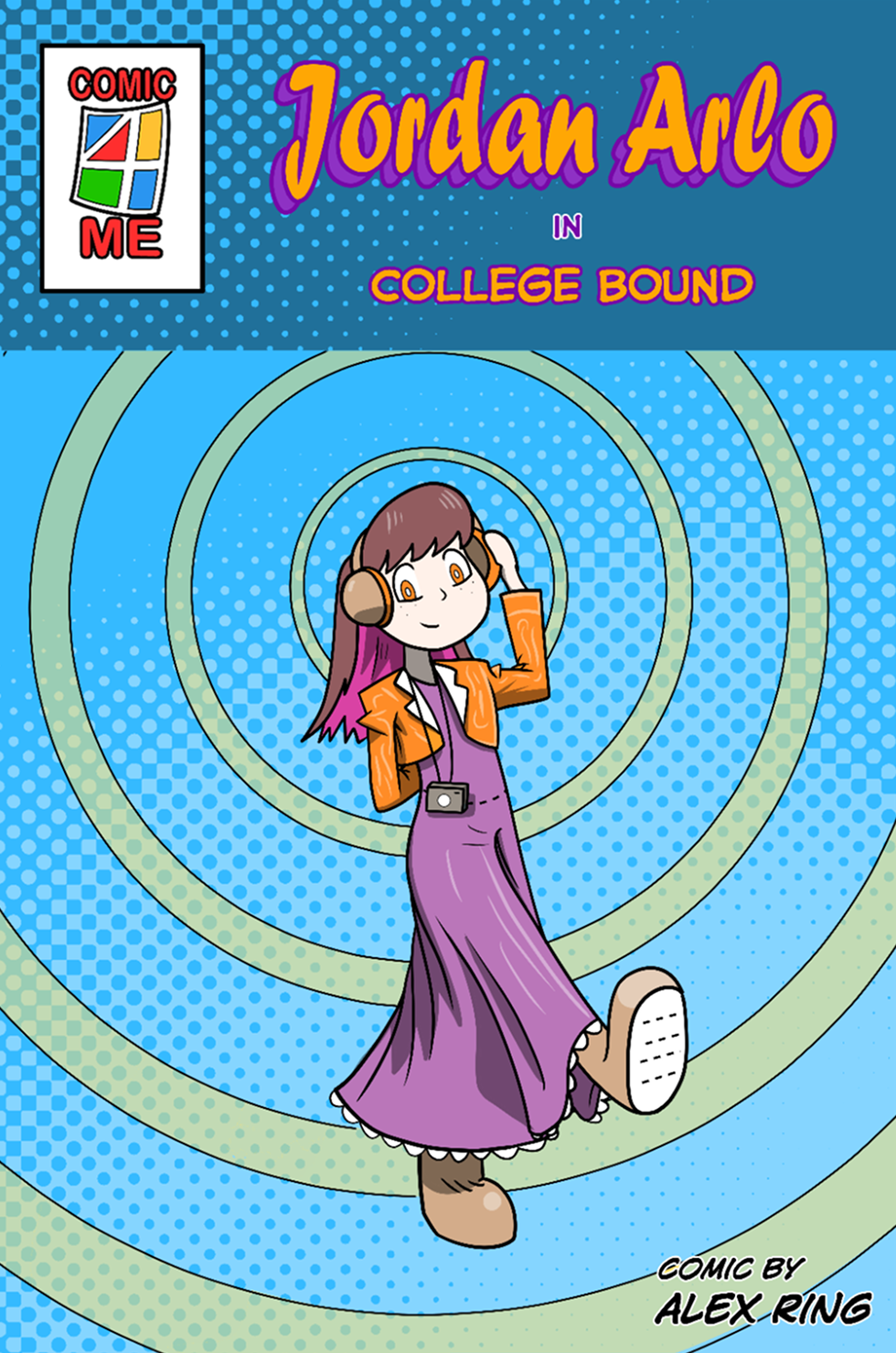
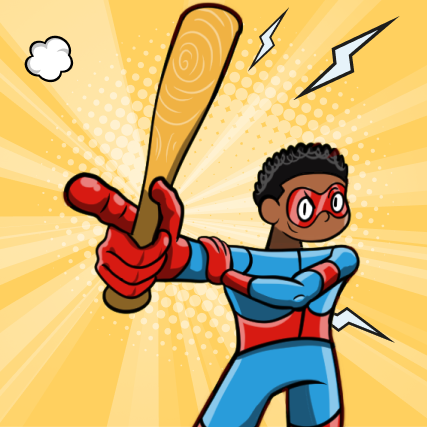
Every hero is one-of-a-kind, and every page is drawn completely by hand. Bold lines, vibrant colors, and Alex’s unmistakable style turn real kids into legends they’ll treasure forever. From rooftop battles to birthday triumphs, these panels are pure, custom superhero magic.

Artists Blog
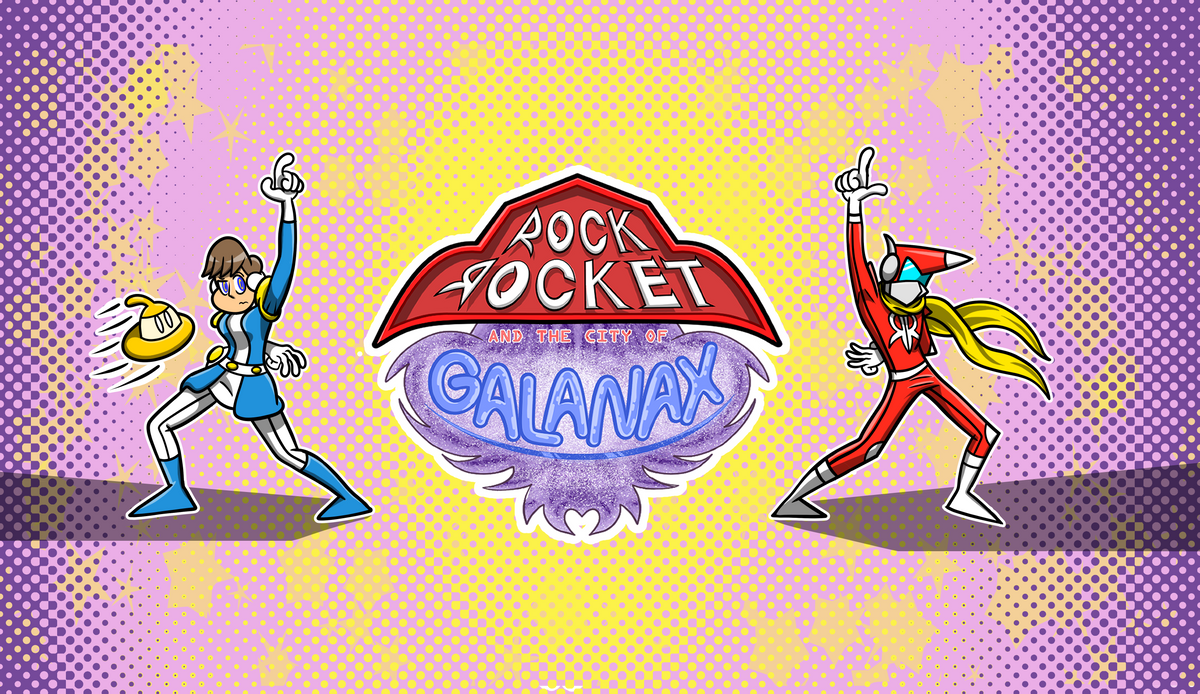
I will update this blog with all my new releases on Webtoon comic series, Rock Rocket and the City of Galanax. Also any other news!